50 Years After Operation Condor: Documents for Memory and Justice

This collection brings together historical documents and key texts that help to understand the repressive context that existed in South America during the 1970s and 1980s, as well as the prolonged and tireless pursuit of justice championed by the victims, their families, and civil society organisations. It also puts the spotlight on the struggles against authoritarianism, the resistance to dictatorships, and the sustained commitment to building Memory, Truth, and Justice.

The documents presented here were collected, digitised, and systematised thanks to a joint effort between researchers, social organisations, and institutions. In the current context of denialism and the resurgence of authoritarian discourses, it is essential to provide the public with free and open access to this documentation to strengthen critical thinking, democratise knowledge, and contribute to the symbolic reparation to the victims and society as a whole.

Starting in the early 1970s, the political repression which unfolded within each country took on a particularly sinister regional dimension with the creation of the so-called Operation Condor. In November 1975, military intelligence officers from the regimes of Argentina, Bolivia, Chile, Paraguay, and Uruguay met in Santiago, Chile, and established the “Condor System.” According to the Minutes of the Conclusions of the First Inter-American Meeting on National Intelligence, the name “Condor” was unanimously approved following a motion presented by the Uruguayan delegation, in recognition of the host country.

This transnational network of repressive cooperation allowed the dictatorships to coordinate clandestine operations to locate, monitor, kidnap, torture, and assassinate exiled individuals who continued to denounce the regimes in power from abroad. The relatives of disappeared individuals and refugees were also targeted, even if they were not politically active, and were identified as threats by the repressive apparatuses.
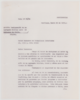



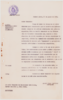
Note N° 74/1972, dated 26 January 1972, sent from the Uruguayan Embassy in Chile to the Minister of Foreign Affairs, Dr José A. Mora Otero, expressing the need to appoint Military, Naval, and Air Attachés before the Government of Chile, considering the arrival in that country of Uruguayan citizens involved in subversive activities.

Location: Department of the Historical and Diplomatic Archive – Section: Embassy of the Oriental Republic of Uruguay in Chile / Series: Confidential Documents / Year 1972 / Box 77 / Folder 9.

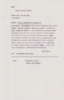
Note A6-1/972 (1310), dated 14 June 1972, sent from the Uruguayan Embassy in the Republic of Argentina to the Minister of Foreign Affairs, Dr José A. Mora Otero, reporting information gathered by the Argentine Government which would demonstrate the existing connections between the Tupamaros movement of Uruguay and Argentine terrorist groups, as well as those from other countries on the continent. Attached is a press clipping entitled “Conexiones de tupamaros en nuestro país” (Tupamaros Connections in Our Country) (La Nación, 14 June 1973, 2 pages).

Location: Department of the Historical and Diplomatic Archive » Section: Embassy of the Oriental Republic of Uruguay in Argentina » Series: Subversive Activities » Year 1972 » Box 1A » Folder A 6-1/ 3 sheets.

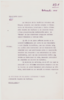
Note No. 115, dated 2 February 1973, from the Embassy of Uruguay in Chile to the Consulate of Uruguay in Santiago de Chile. The note forwards a list of individuals wanted by the Joint Forces for belonging to seditious movements operating in Uruguay. The Embassy also transmits instructions from the Directorate-General of the Ministry of Foreign Affairs regarding a copy of the “Arrest Warrants List”, in order to report on any cases of individuals who may have moved abroad.

Location: Department of Historical–Diplomatic Archives – Section: Embassy of the Oriental Republic of Uruguay in Chile / Series: Issued Notes / Year 1973 / Box 41 / Folder 2 / 1 page.

Telex C299/24, dated 28 June 1973, sent from the Uruguayan Embassy in the Republic of Argentina to the Minister of Foreign Affairs, Dr Juan Carlos Blanco, requesting directives on how to proceed when Uruguayan citizens, who have been granted political asylum from the Argentine government, come to the Uruguayan Consular offices in Argentina, as well as regarding citizens who are wanted in Uruguay.

Location: Department of the Historical and Diplomatic Archive – Section: Embassy of the Oriental Republic of Uruguay in Argentina / Series: Confidential Documents / Year 1973 / Box 1 / Folder A.

Note Verbale H12-1/1973 (2105), dated 21 August 1973, sent from the Uruguayan Embassy in the Republic of Argentina to the Directorate-General of Policy of the Argentine Ministry of Foreign Affairs and Worship, seeking information on the status of Uruguayan citizens Zelmar Michelini and Enrique Erro in order to confirm whether they are political asylees. If so, it further requests the dates of the resolutions granting them political asylum in Argentine territory.

Location: Department of the Historical and Diplomatic Archive » Section: Embassy of the Oriental Republic of Uruguay in Argentina » Series: Citizens Zelmar Michelini – Enrique Erro » Year 1973 » Box 1 Confidential » Folder H 7-1